As with all investments – your bulbs need to be nurtured to provide you with the greatest opportunity for a return over time. This involves feeding at the appropriate times as well as a period of “neglect” where the plants are allowed to die back for a period of time after flowering. Ground prep is also a consideration as the soil should generally be free draining and not prone to waterlogging. A good loamy soil is generally the best.
When to feed
Feeding at the appropriate time ensures the feed isn’t wasted.
At planting time it is recommended to top dress the area being planted.
In the spring time its recommended to feed after the flower has gone over.
Dead heading the flower can be done at this time. This allows the nutrients to be absorbed by the plant for flower creation and to build up the food store (AKA the bulb itself). It is also a waste of the energy to allow these nutrients to be directed to a seed pod (as most cultivated types are sterile hybrids).
The die back period is vital for most bulb types as its during this period that the next season flower is formed by the plant. The generally recommended duration of this die back is 6 to 8 weeks from the flower going over.
The foliage should be left to die off for this period in an unmolested state!
Do not fold the foliage and tie it down.
Think of the bulb as a battery and the foliage as the solar panels – folding them in half or cutting them will impact on the charge (that means both the bulb size and the next seasons flower)
Bulb Fertilizer Mix
What to feed
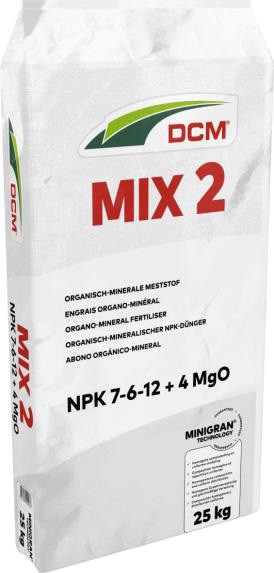
The recommended feed as used by commercial bulb nurseries in the bulb growing region is DCM Mix 2.
The characteristics of this particular fertiliser are:
long-lasting and continuous action of plant food elements over a period of 75 up to 100 days
a specific composition with an emphasis on potassium (12 % K2O); ideal for plants with high potassium need, such as:
ornamental plants and pot plants offering an abundance of flowers with intense colours